
Industrial-grade pyrolysis systems engineered for modular deployment, automated operation, and proven commercial-scale performance.
Pyrolysis is an oxygen-free thermal reforming process. At elevated temperatures, and in the complete absence of oxygen, the molecular structure of plastic polymers and tire rubber breaks down into smaller hydrocarbon chains. These vapours travel through the condensation system and are collected as liquid pyrolysis oil.
Because oxygen is excluded, hydrocarbons are preserved — not oxidised or destroyed as in incineration. The result is a storable, transportable, commercially valuable product that re-enters the hydrocarbon economy as a fuel or chemical feedstock.
PYROCY systems are not experimental. Our pyrolysis process is built on well-understood unit operations deployed at industrial scale in Portugal since January 2025, producing real oil from real waste streams with stable, documented performance.
Exact yields depend on feedstock composition, contamination level, and operating conditions.
| Output Stream | Plastics (PE / PP / Films) | End-of-Life Tires |
|---|---|---|
| Pyrolysis Oil | 75 – 90 % | 45 – 55 % |
| Process Gas (internal use) | 10 – 20 % | 5 – 10 % |
| Solid Residue / Carbon Black | 5 – 10 % | 30 – 40 % |
| Recovered Steel | — | 10 – 15 % |
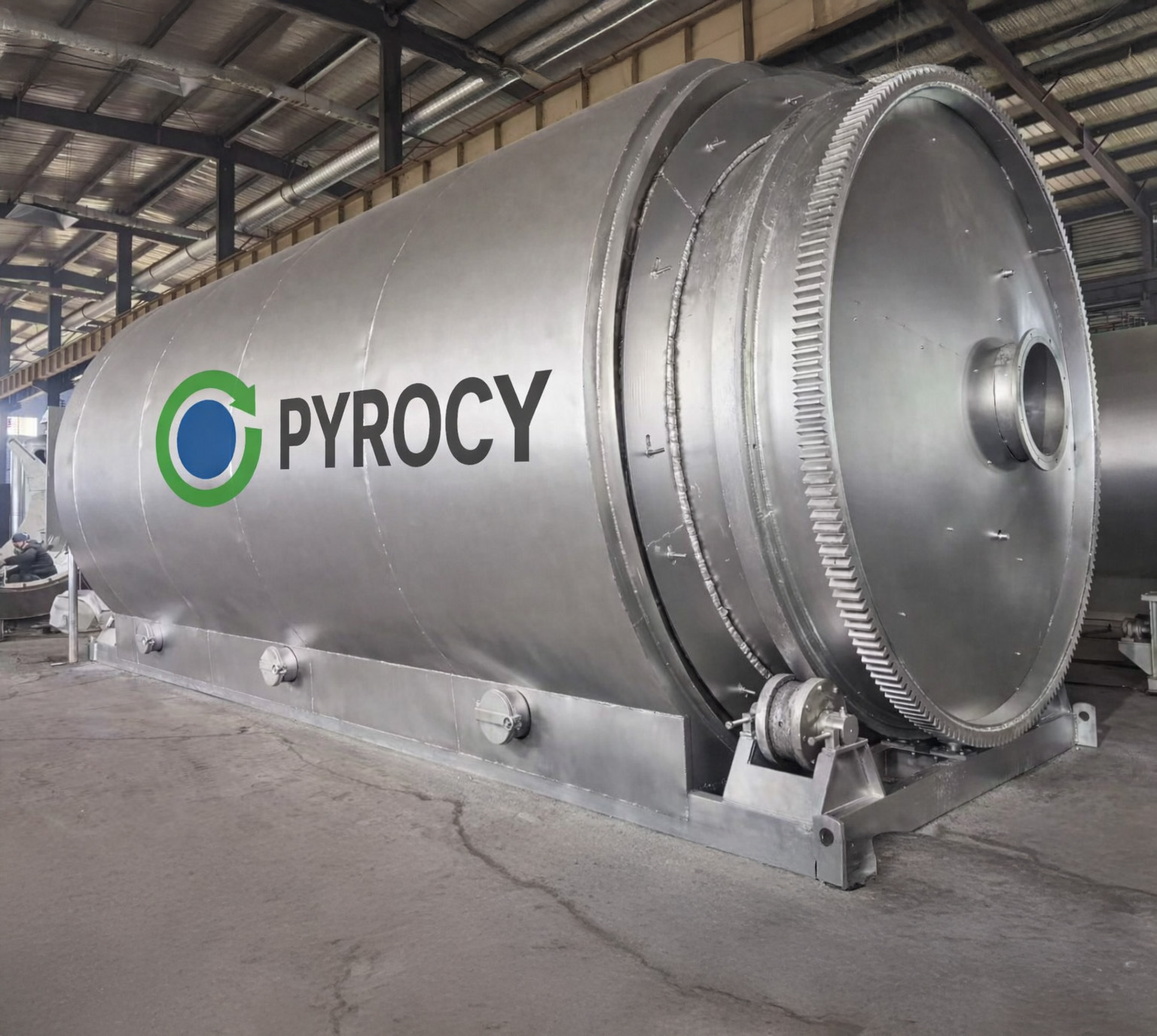
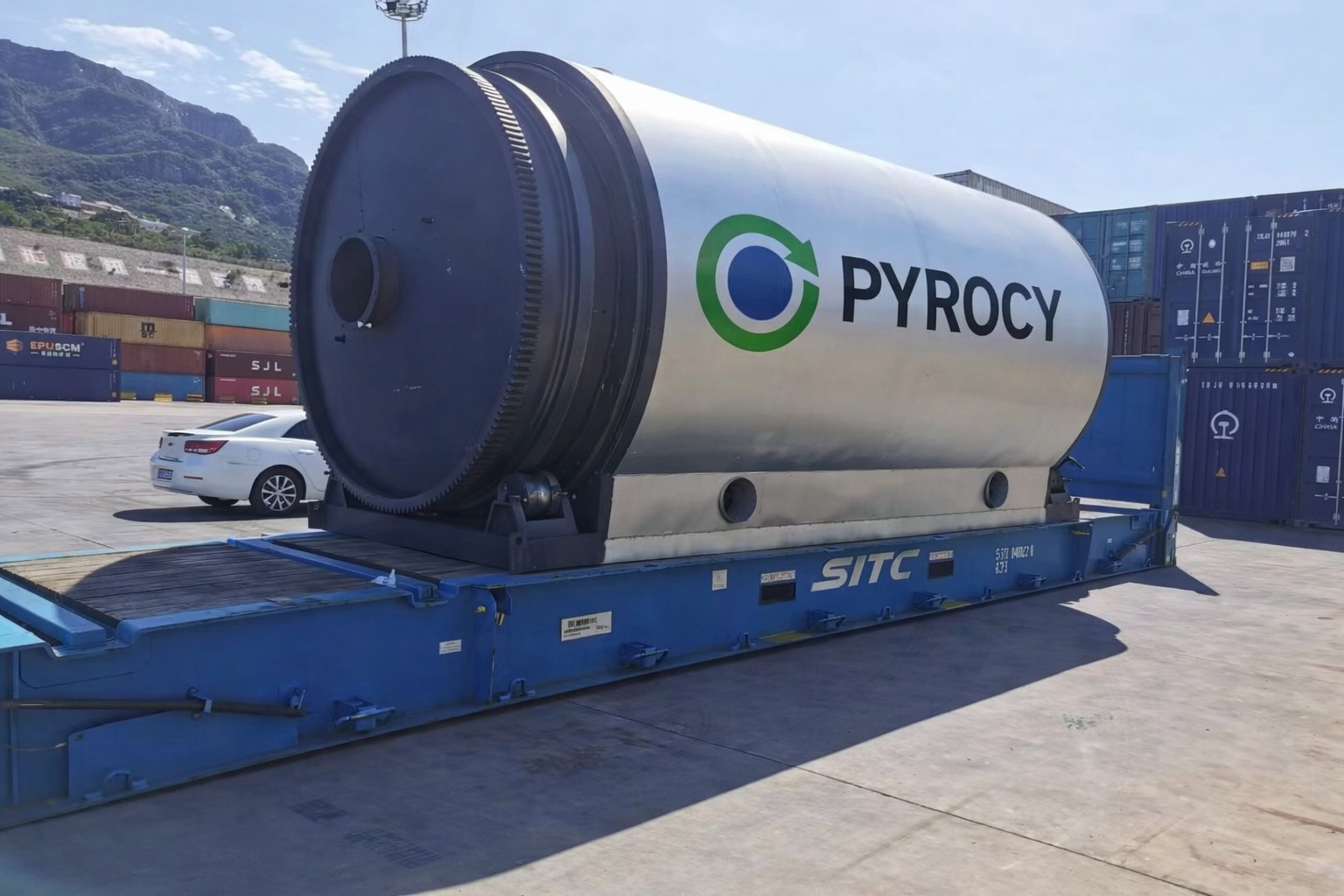
PYROCY units are designed to expand through additional modules — not through redesign. A site beginning with a single 30 TPD unit can grow to 60, 90, or 120 TPD by adding modules, reusing existing infrastructure, and leveraging the same operational team.
Whether you're an investor evaluating capital deployment, a waste manager looking for advanced recovery infrastructure, or a development partner with feedstock and local presence — we want to hear from you.